












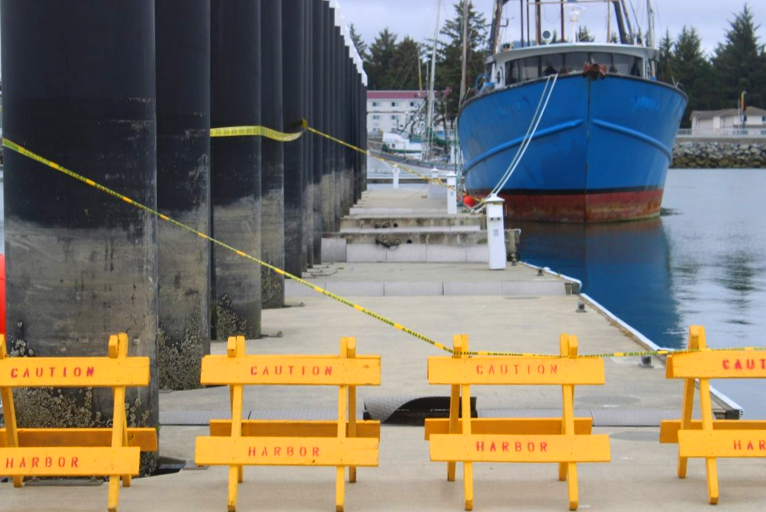

The Crescent City Harbor District has released a preliminary assessment of the tsunami-related damage sustained during the early morning hours of July 30th, 2025. While no injuries were reported and core harbor infrastructure remains operational, “H” Dock and several other areas experienced significant damage, particularly to electrical, water, and fire suppression utility systems.
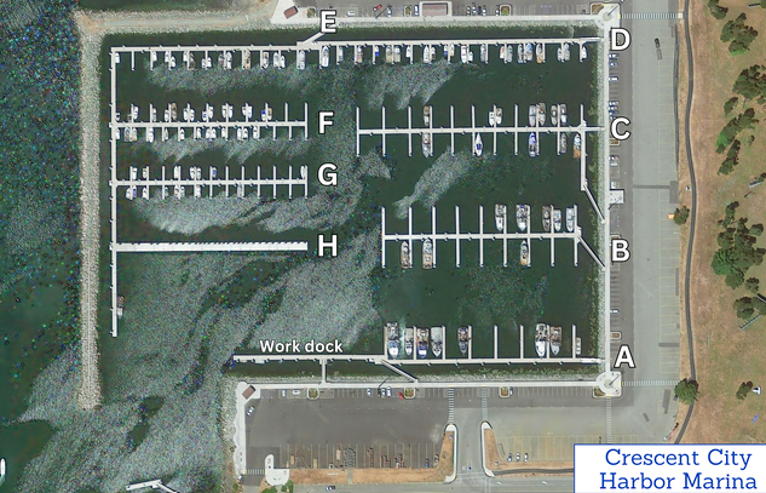
According to the Crescent City Harbor District report, at approximately 2:40am, Crescent City Harbor sustained significant tsunami-related damage, primarily affecting “H” Dock. A surge of water several feet in height caused the dock’s floating concrete decking to lift along its pilings. As water levels continued to rise, the structural system was unable to accommodate the vertical displacement induced by the surge. The floating decking became impinged on the guide pilings and was temporarily submerged, resulting in segment separation and progressive structural failure.
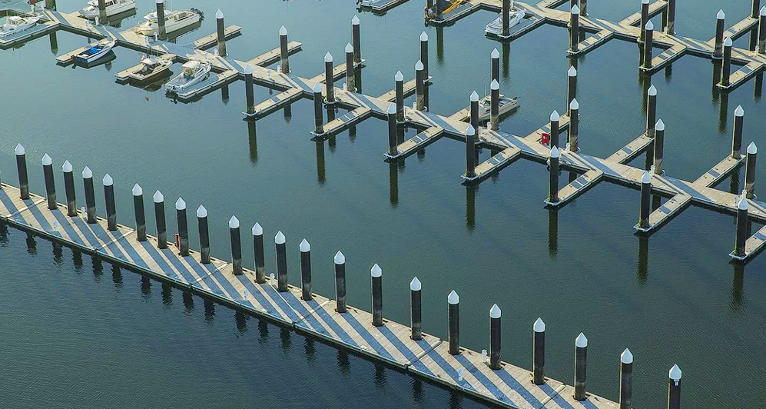
The new Inner Boat Basin, dedicated on March 22, 2014 after the 2011 tsunami generated by the Japan earthquake, touts an outer dock, known as H-dock, that is a wave attenuator. This dock, designed with many closely spaced piles to disrupt tsunami flow patterns within the harbor, is the harbor’s first line of defense in the event of a tsunami with the dock and its piling system designed to survive a 12 feet tall wall of water to resist a 50 year Tsunami event.
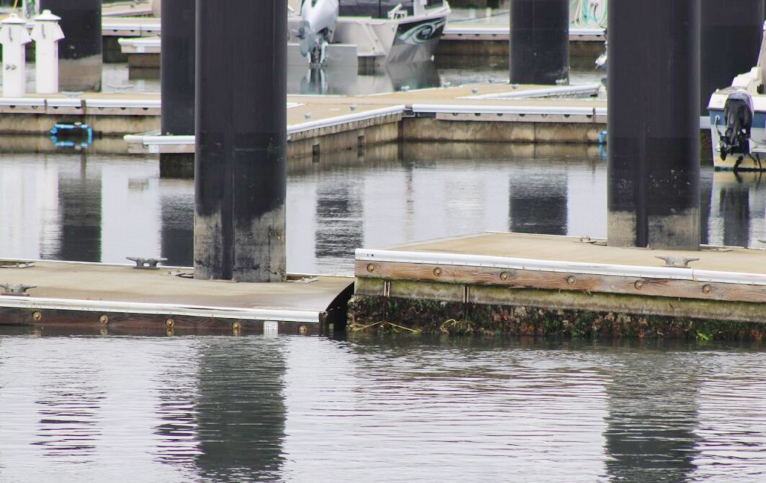
During the incident, electrical arcing and sparking were observed, consistent with the subsequent finding that electrical conduits running through the center of the dock were severely compromised. In many locations, the outer insulation was torn away, leaving live copper wiring exposed. Serious damage was also sustained to potable water lines and large-diameter fire suppression plumbing lines, which have been ripped apart, across multiple docks. While it is apparent that “H” Dock sustained the most damage, random utility damage is evident throughout the dock system. The full extent of damage remains difficult to assess due to water turbidity and the need for diver crews to make detailed observations.
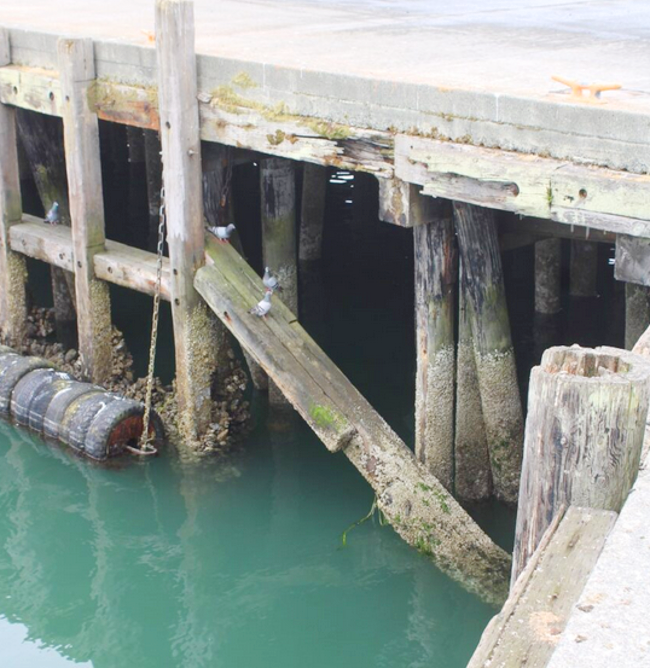
In addition to the structural and utility damage, the tsunami surge events deposited a significant volume of sediment and debris throughout portions of the harbor basin. Preliminary observations indicate that navigation channels and vessel berthing areas have experienced measurable shoaling, reducing the available depth needed for safe vessel access and maneuvering. As part of the recovery effort, dredging operations will be required to restore original design depths and ensure the harbor remains fully navigable. A hydrographic survey will be conducted to quantify sediment displacement and guide the development of a dredging plan that complies with environmental regulations and sediment disposal requirements.
Initial repair costs are estimated to approach $1 million, based on structural failures, environmental permitting requirements, and the complexity of underwater repairs. The Harbor District is actively working with local, state, and federal partners to secure resources for recovery and ensure safe restoration of affected infrastructure.